Bitcoin volatility has returned to center stage after a dramatic liquidation cascade shook the crypto futures market. In just one hour, more than $125 million in leveraged positions were wiped out, contributing to a staggering $1.53 billion in total liquidations within 24 hours. Such rapid liquidations rarely go unnoticed. They signal a sudden imbalance in positioning — where excessive leverage meets sharp price movement. But the real question is: does this mark the beginning of a deeper correction, or is it simply a healthy reset in an overheated derivatives market?
What Triggered This Sudden Bitcoin Volatility Spike?
The latest surge in bitcoin volatility was driven by aggressive forced liquidations in the futures market.
As Bitcoin slipped below key short-term support levels:
- Over leveraged long positions were automatically closed
- Stop-loss clusters accelerated downside pressure
- Liquidation algorithms triggered cascading sell orders
- Futures open interest declined sharply
In highly leveraged environments, even a modest move can create out sized consequences. When traders borrow heavily during bullish momentum phases, the market becomes fragile. A small pullback quickly transforms into a cascade. This is precisely how bitcoin volatility expands so aggressively in short timeframes.
Is Leverage Still the Main Driver of Bitcoin Volatility?
Absolutely. This event confirms that leverage remains a dominant force behind bitcoin volatility cycles.
During bullish momentum:
- Traders increase exposure using borrowed capital
- Futures open interest expands rapidly
- Risk tolerance rises
But when price reverses:
- Automated liquidation systems force exits
- Selling pressure intensifies
- Volatility expands within minutes
The $125 million wiped out in just one hour shows how sensitive the derivatives market remains. Excessive leverage amplifies both upside momentum and downside corrections. Bitcoin volatility, in many cases, is not driven by fundamentals — but by positioning imbalances.
Did Exchanges Face Stress During the Liquidation Wave?
Despite the scale of the wipeout, major exchanges operated smoothly.
Key observations:
- Trading systems remained stable
- Order books absorbed selling pressure
- Funding rates flipped negative
- Traders reduced leverage exposure
This wasn’t systemic failure — it was risk re-calibration. Bitcoin volatility increased, but infrastructure resilience suggests this was a market reset rather than structural weakness.
Why Is Crypto So Calm Before the Next Big Move?:
Could This Be a Trend Reversal — Or Just a Reset?
Liquidation waves often act as trend cleansing mechanisms.
Two scenarios are now possible:
Extended Correction
- Support levels fail
- Selling pressure continues
- Volatility remains elevated
Volatility Reset & Stabilisation
- Open interest declines sustainably
- Price consolidates above key levels
- Risk appetite gradually returns
The speed of stabilisation following the initial shock suggests panic was limited. Instead, the event resembles a leverage flush.
Why Bitcoin Volatility Matters Right Now
High bitcoin volatility influences:
- Institutional positioning
- Options pricing
- Retail sentiment
- Risk management strategies
With $1.53 billion liquidated in 24 hours, the message is clear: leverage still shapes short-term price dynamics. But importantly — this episode reflects a volatility-driven reset, not a breakdown of crypto fundamentals.
Why Did Bitcoin Mining Drop 20% Overnight — And What Does It Mean for BTC?:
What Should Traders Watch Next?
With bitcoin volatility still elevated, market participants are closely monitoring:
- Futures open interest trends
- Funding rate normalisation
- Key technical support levels
- Liquidity depth across exchanges
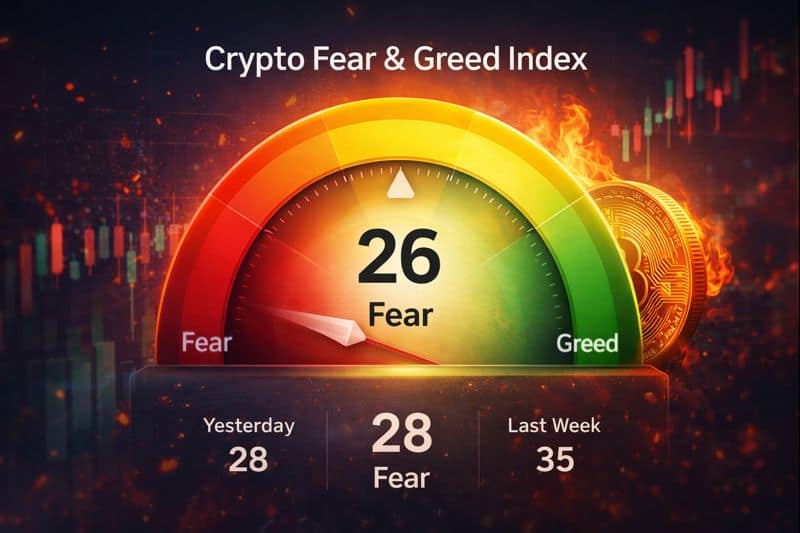
If volatility compresses and price stabilizes, consolidation could follow. However, rapid leverage rebuild may trigger another spike. For now, the market appears cautious — not fearful.
Market Takeaway
The $125 million liquidation in a single hour and $1.53 billion erased in 24 hours underline one reality: leverage amplifies both momentum and corrections.
This event reflects:
- Risk re-calibration
- Positioning reset
- Short-term volatility expansion
Bitcoin volatility remains elevated, but structural market integrity is intact. The next directional move will depend on whether traders rebuild leverage — or remain disciplined.